
Geoclara Joins ICAR-CIRCOT Strategic Discussion on Cotton Stalk Biochar and Farmer Carbon Credits
Geoclara co-founders Govind Setlur (CEO) and Rashmee Narayan (COO) joined scientists at ICAR-CIRCOT (Central Institute for Research on Cotton Technology), Mumbai, for a strategic discussion on unlocking the potential of India's cotton stalk residue — converting it into biochar, sequestering carbon, and channeling carbon credit revenues directly to smallholder farmers.

The session brought together an exceptional group: Dr. K. R. Kranti, Chief Scientist at the International Cotton Advisory Committee (ICAC), Dr. S. K. Shukla, Director of ICAR-CIRCOT, and the institute's research team, including Senior Scientist Dr. Ajinath Dukare.
Why cotton stalks matter
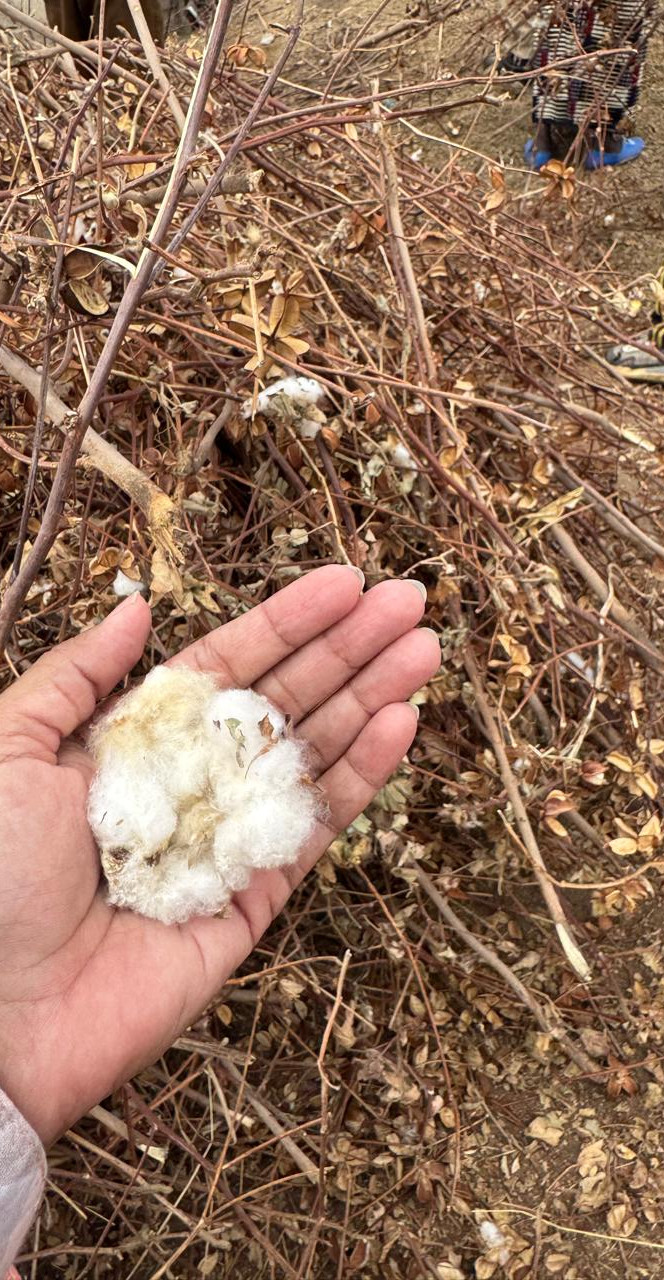
India is one of the world's largest cotton producers — and every harvest leaves behind millions of tonnes of cotton stalks. Too often, this residue is burned in the field or left to decompose, releasing greenhouse gases and squandering a resource that could be rebuilding our soils.
Converted into biochar, that same waste becomes a durable carbon sink and a soil enhancer. Dr. Shukla underscored the scale of the opportunity in India's abundant cotton stalk supply, while also pointing to a practical challenge Geoclara knows well from the field: transporting bulky raw residue is costly, which makes decentralized, near-farm conversion systems essential. Dr. Dukare shared ICAR-CIRCOT's ongoing research into enriching biochar — including work with banana pseudostem sap and phosphate-solubilizing bacteria — to further boost its soil-nutrient value.
From research to farmer income
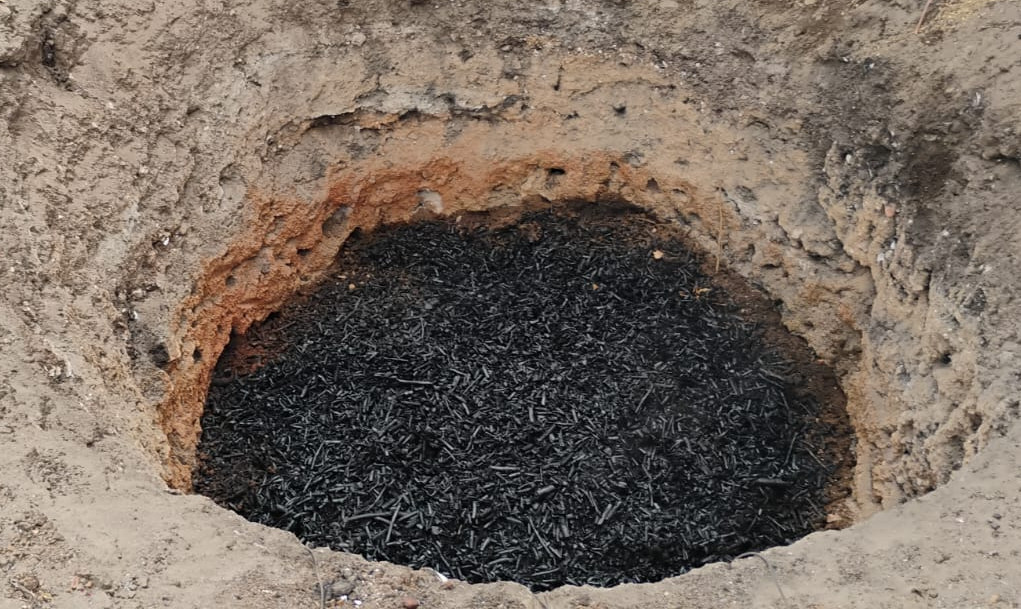
Dr. Kranti brought a global lens to the discussion, encouraging strategic collaboration on carbon credits from cotton stalk biochar as a way to shrink cotton farming's carbon footprint and lift smallholder incomes — priorities that sit at the heart of ICAC's mission across member nations.
This is exactly the gap Geoclara exists to close. Carbon removal in Indian agriculture is real but fragmented across millions of farmers; the certification, measurement, and revenue side needs consolidation. At the discussion, we shared our commitment to facilitating the carbon credit certification process — MRV, registry compliance, and credit issuance — so that the financial and environmental benefits of biochar flow directly to the farmers who create them.
What comes next
Together with ICAR-CIRCOT's scientific leadership and ICAC's global perspective, we see a framework taking shape that turns agricultural waste into farmer wealth: decentralized biochar production, rigorous science, credible certification, and direct economic upliftment for India's cotton-growing communities.
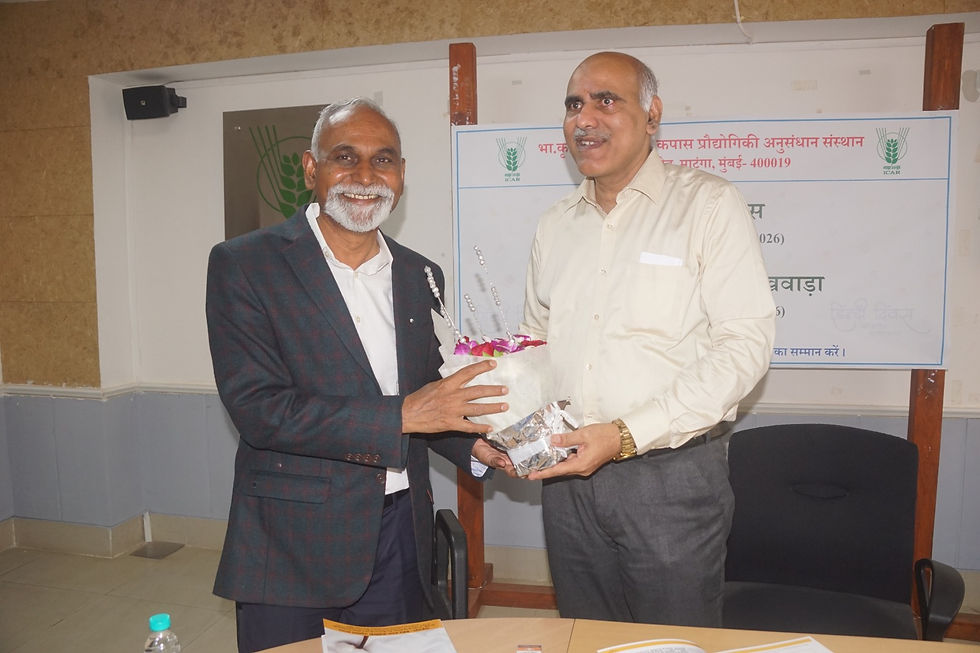
We're grateful to Dr. Shukla, Dr. Kranti, Dr. Dukare, and the entire ICAR-CIRCOT team for the warm welcome and the depth of the exchange. Watch this space as the collaboration develops.
Read ICAR-CIRCOT's coverage of the meeting here.


Comments